
Introduction
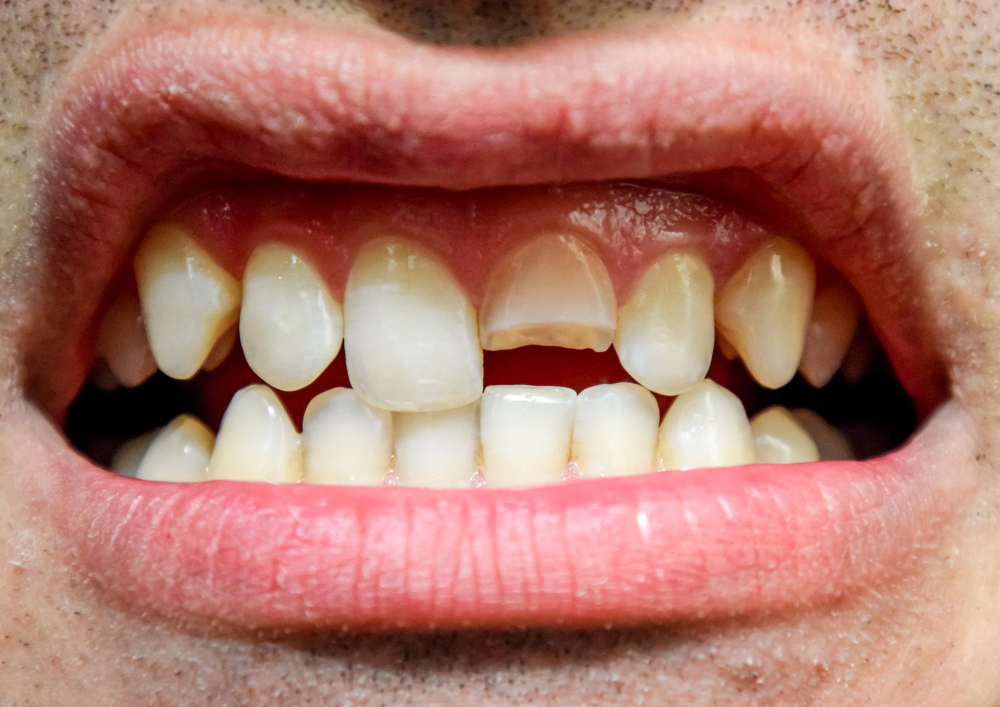
A broken tooth can happen to anyone. It means a part of your tooth has cracked, chipped, or split. Often, a broken tooth causes pain or discomfort. Sometimes, it affects how you eat or speak. Because a broken tooth can lead to more problems, it is important to know what to do. In this blog, you will learn about symptoms, causes, diagnosis, and treatment options for a broken tooth. You will also find tips on how to fix a broken tooth and when to seek emergency dental care for a broken tooth.
Symptoms of a Broken Tooth
Many people notice symptoms right away. However, some signs can be mild at first. Watch for these common symptoms:
Sometimes, the pain comes and goes. But even if the pain stops, the tooth may still need care.
Common Causes of Broken Teeth
There are many reasons why teeth break. Understanding the causes can help you avoid future problems. Here are some common causes:
As you can see, both habits and accidents can lead to a broken tooth.
Diagnosis: How Dentists Identify a Broken Tooth
When you visit a dentist, they will check your mouth carefully. First, the dentist will ask about your symptoms. Next, they will look at your teeth and gums. Often, they use a small mirror and bright light. Sometimes, the dentist may take an X-ray. This helps them see cracks or damage inside the tooth. In some cases, they use a special dye to spot tiny cracks. With these steps, dentists can find the problem and plan the best treatment.
Treatment Options for a Broken Tooth
Treatment depends on how bad the break is. Your dentist will suggest the best way to fix your tooth. Here are common treatment options for a broken tooth:
For severe pain or bleeding, seek emergency dental care for a broken tooth right away. Quick action can prevent more damage.
Home Care and Immediate Steps
While waiting to see a dentist, you can take steps at home. These actions may help reduce pain and protect your tooth:
However, these are only temporary steps. You should still see a dentist soon for proper care.
Prevention Tips for Avoiding Broken Teeth
Although accidents can happen, you can lower your risk. Try these tips to help prevent a broken tooth:
With these habits, you can keep your teeth healthy and strong.
When to See a Dentist
If you think you have a broken tooth, do not wait. See a dentist as soon as possible. You should seek emergency dental care for a broken tooth if you have:
Early treatment can save your tooth and prevent more problems. The American Dental Association recommends prompt care for all dental injuries.
If you suspect a broken tooth, consult a dentist promptly for personalized care.