
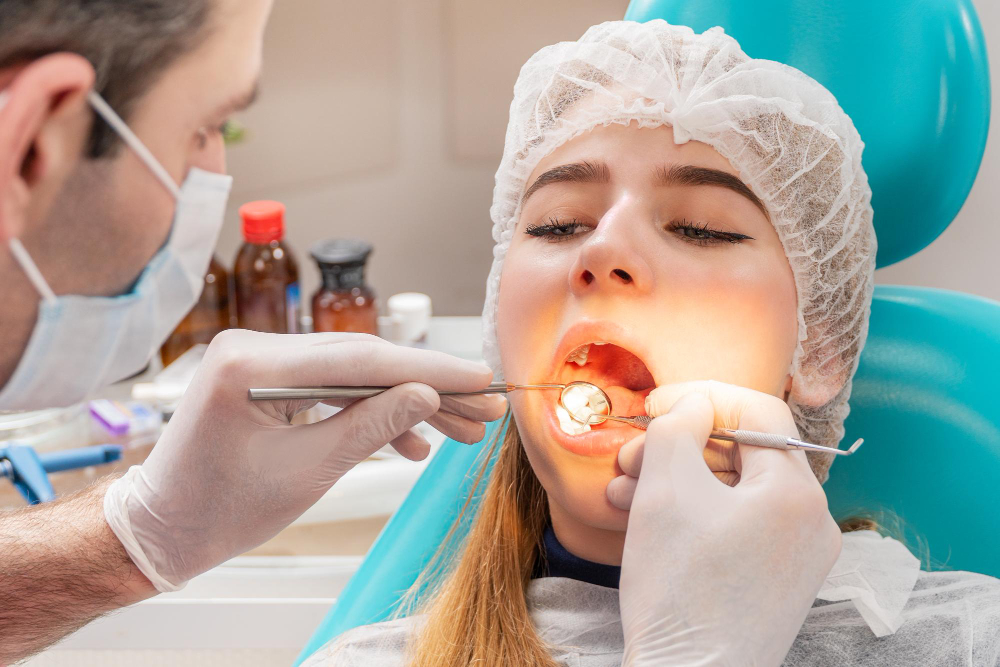
What is Dental Restoration?
Dental restoration is a group of modern dental procedures that help fix and rebuild teeth. When teeth are damaged, dental restoration can repair them and restore tooth function. For example, dentists use fillings, crowns, and bridges to bring back your ability to chew and speak. In many cases, dental restoration also helps your smile look better. According to the World Health Organization, healthy teeth are important for eating, talking, and feeling confident.
Common Causes of Damaged Teeth
Many things can harm your teeth. However, knowing the causes can help you protect your smile. Some common reasons for damaged teeth include:
Because these causes are common, it is important to visit your dentist regularly. Early care can prevent bigger problems later.
Types of Dental Restoration Procedures
There are several ways dentists repair damaged teeth. Each method helps restore tooth function and appearance. For instance, your dentist may suggest one of these dental restoration procedures:
Because modern dental procedures use strong, safe materials, they can last many years with good care.
How Dentists Diagnose Tooth Damage
First, your dentist will ask about your symptoms and check your mouth. Often, they use a small mirror and bright light to look for cracks, holes, or worn spots. Next, they may take dental X-rays to see inside your teeth. X-rays help find hidden damage that is not easy to spot. Sometimes, dentists use special tools to test how strong your teeth are. Because early diagnosis is key, regular dental checkups are very important.
Treatment Options for Restoring Function
After finding the problem, your dentist will choose the best way to repair your teeth. For example, small cavities may only need a filling. However, a broken tooth might need a crown. If you have lost a tooth, a bridge or implant can fill the gap. In some cases, dentists use bonding to fix small chips. Each treatment aims to restore your ability to bite, chew, and speak. With modern dental procedures, most people can return to normal eating and smiling quickly.
Tips for Maintaining Restored Teeth
Once your teeth are repaired, it is important to keep them healthy. For best results, follow these tips:
Because restored teeth can still get damaged, good care is always needed.
Preventing Future Tooth Damage
Although dental restoration can fix damaged teeth, prevention is always better. To protect your teeth in the future, try these steps:
By following these tips, you can lower your risk of needing more dental restoration in the future.