
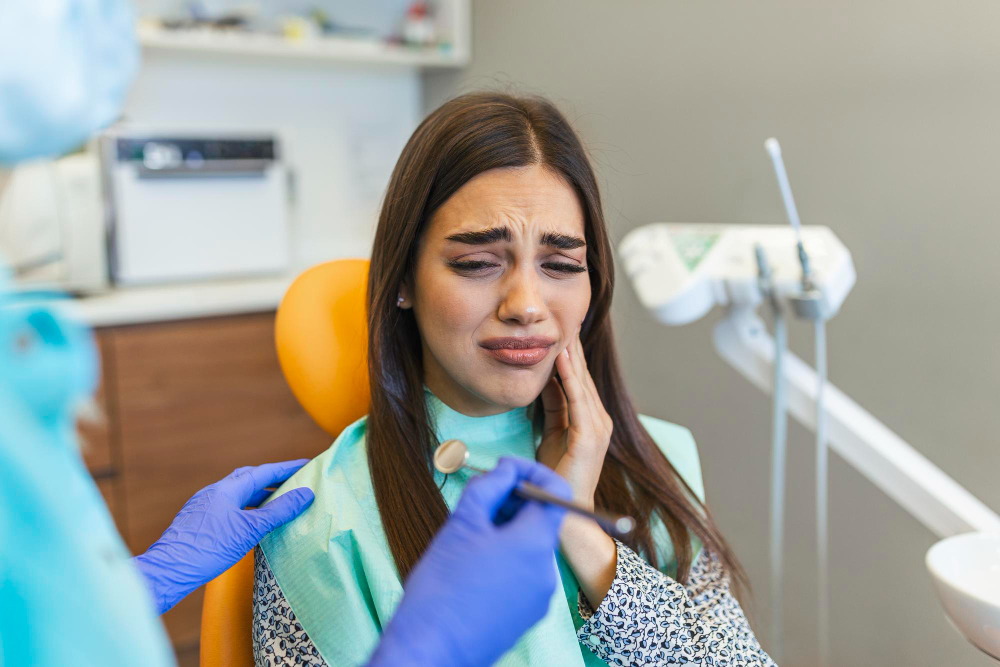
What Causes Teeth to Crack? Common Reasons and Risk Factors

Introduction

Healthy teeth help you eat, speak, and smile with confidence. But sometimes, teeth can crack. You may wonder, why do teeth crack? Cracked teeth are common and can happen to anyone. Understanding the causes, symptoms, and prevention can help you protect your smile. Let’s explore what leads to cracked teeth and how you can keep your teeth strong.

Common Causes of Cracked Teeth

Many things can cause a tooth to crack. Knowing these reasons can help you avoid them. Here are some common cracked tooth causes:

  • Trauma or Injury: A fall, sports accident, or blow to the mouth can crack a tooth.
  • Teeth Grinding: Grinding or clenching your teeth, called bruxism, puts extra pressure on teeth.
  • Biting Hard Foods: Chewing ice, hard candy, or nuts can cause cracks.
  • Large Fillings: Fillings that cover much of a tooth can weaken it over time.
  • Age: Teeth may crack more easily as you get older, especially after age 50.
  • Sudden Temperature Changes: Eating something hot and then drinking something cold can stress teeth.
  • Dental Procedures: Repeated dental work or root canals may make teeth more likely to crack.
  • Signs and Symptoms of Cracked Teeth

    Sometimes, a cracked tooth is easy to spot. Other times, the signs are less clear. Watch for these signs of cracked teeth:

  • Pain when chewing or biting, especially when you release the bite
  • Sensitivity to hot, cold, or sweet foods and drinks
  • Swelling of the gum around the tooth
  • Sharp pain that comes and goes
  • Discomfort that is hard to locate
  • Visible crack or line on the tooth (sometimes)
  • However, not all cracked teeth cause pain. Still, it’s important to see a dentist if you notice any of these symptoms.

    How Dentists Diagnose Cracked Teeth

    Early diagnosis can help save your tooth. Dentists use several methods to find cracks:

  • Visual Exam: The dentist looks for visible cracks or lines.
  • Dental Dye: Special dye can make cracks easier to see.
  • Probing: The dentist gently presses on the tooth to check for pain.
  • X-rays: While cracks may not always show, X-rays can reveal other problems.
  • Bite Tests: You may be asked to bite down on something to see if it causes pain.
  • Because some cracks are tiny, they can be hard to spot. That’s why regular dental checkups are important.

    Treatment Options for Cracked Teeth

    Treatment depends on how deep and wide the crack is. Here are some common options a dentist for cracked tooth may suggest:

  • Bonding: The dentist uses a tooth-colored resin to fill small cracks.
  • Crown: A cap covers and protects the cracked tooth.
  • Root Canal: If the crack reaches the tooth’s pulp, a root canal may be needed.
  • Extraction: If the tooth is badly cracked, it may need to be removed.
  • Early treatment can often save your tooth. So, do not wait if you notice symptoms.

    How to Prevent Cracked Teeth

    While not all cracks can be avoided, you can lower your risk. Try these tips for how to prevent cracked teeth:

  • Wear a mouthguard during sports or if you grind your teeth at night
  • Avoid chewing on hard foods, ice, or pens
  • Do not use your teeth to open packages or bottles
  • Visit your dentist regularly for checkups and cleanings
  • Address dental problems, like large fillings, early
  • Practice good oral hygiene by brushing and flossing daily
  • With these steps, you can help keep your teeth healthy and strong.

    When to See a Dentist

    If you have tooth pain, sensitivity, or notice a crack, see a dentist right away. Early care can prevent bigger problems. You can search for a dentist near you for cracked teeth if you need help quickly. Remember, waiting too long can make treatment harder.

    Conclusion

    Cracked teeth are common, but you can take steps to protect your smile. If you suspect a cracked tooth, consult a dentist for personalized advice and treatment.